
 Posted by
 Table of Contents
Small Changes That Make a Big Difference
Keeping your home comfortable shouldn’t mean overspending on your energy bills. Many homeowners assume that saving energy requires major upgrades like installing solar panels or replacing appliances, but the truth is that small adjustments in everyday habits can have a significant impact. From better insulation to mindful thermostat settings, even minor improvements can reduce monthly costs and extend the life of your HVAC system.
Conserving energy isn’t just good for your wallet—it’s good for your home and the environment too. With a few smart strategies, you can enjoy year-round comfort while keeping your energy consumption under control.
Optimize Your Thermostat Settings
One of the easiest ways to save energy is by adjusting your thermostat strategically. During summer, set it a few degrees higher when you’re not home, and in winter, lower it slightly while you sleep. Smart thermostats make this effortless, automatically adjusting temperatures based on your schedule and preferences.
Every degree of adjustment can save up to 3% on your energy bill. It might not sound like much, but over time, those small savings add up. For an added bonus, make sure your thermostat is installed away from direct sunlight or vents to ensure accurate readings.
Seal and Insulate for Efficiency
Air leaks around doors, windows, and ductwork can waste a surprising amount of energy. Proper insulation and sealing keep conditioned air where it belongs—inside your home. Check for drafts around window frames and doors, and use weatherstripping or caulk to seal gaps.
Your attic and crawl spaces are also critical. Poor insulation in these areas allows heat to escape during winter and enter during summer, forcing your HVAC system to work harder. Insulating ductwork is another cost-effective step that prevents energy loss as air travels through your home.
Upgrade to Energy-Efficient Lighting and Appliances
If you’re still using incandescent bulbs, switching to LED lighting is one of the simplest and most effective energy-saving moves. LEDs use up to 75% less energy and last significantly longer, reducing both utility costs and waste.
The same logic applies to appliances. When it’s time to replace a refrigerator, washer, or dryer, look for ENERGY STAR® certified models. These are designed to operate more efficiently while maintaining top performance. Over the life of each appliance, you’ll notice the difference in both your utility bills and your home’s overall comfort.
Regular Maintenance: The Key to Lasting Efficiency
Your air conditioning and heating systems need routine maintenance to operate efficiently. Over time, dust, debris, and worn components cause your system to work harder than necessary, increasing both energy use and the risk of breakdowns.
Here are a few simple steps every homeowner should take:
- Replace air filters every 1–3 months.
- Keep outdoor units clear of leaves and debris.
- Check vents and registers to make sure air can flow freely.
- Schedule annual HVAC tune-ups before the start of each major season.
A professional inspection can identify small issues before they become costly repairs. Not only will this improve performance, but it also extends the lifespan of your system—saving you money in the long run.
Use Fans to Support Your Cooling System
Ceiling fans and portable fans are often overlooked tools in energy conservation. By circulating air more effectively, fans allow you to raise your thermostat setting by several degrees without sacrificing comfort. During summer, make sure ceiling fans rotate counterclockwise to push cool air downward; in winter, reverse them to gently circulate warm air.
Fans use very little electricity compared to air conditioning, so combining the two helps you stay cool while reducing strain on your system.
Smart Energy Habits That Pay Off
Sometimes the best energy savings come from small daily routines. Try incorporating a few of these easy habits into your lifestyle:
- Unplug electronics when not in use to avoid “phantom” energy drain.
- Run dishwashers and laundry machines only with full loads.
- Wash clothes in cold water whenever possible.
- Close blinds or curtains during the hottest part of the day.
- Use a grill or microwave instead of the oven in summer to reduce indoor heat.
By being mindful of how and when you use electricity, you can trim energy costs without making big sacrifices.
The Hidden Impact of Neglecting Your AC System
Many homeowners don’t realize how much energy is wasted by an inefficient air conditioning unit. A system that hasn’t been serviced regularly can lose up to 20% of its efficiency, causing your energy bills to climb. Strange noises, uneven cooling, or weak airflow are signs that your system may need attention.
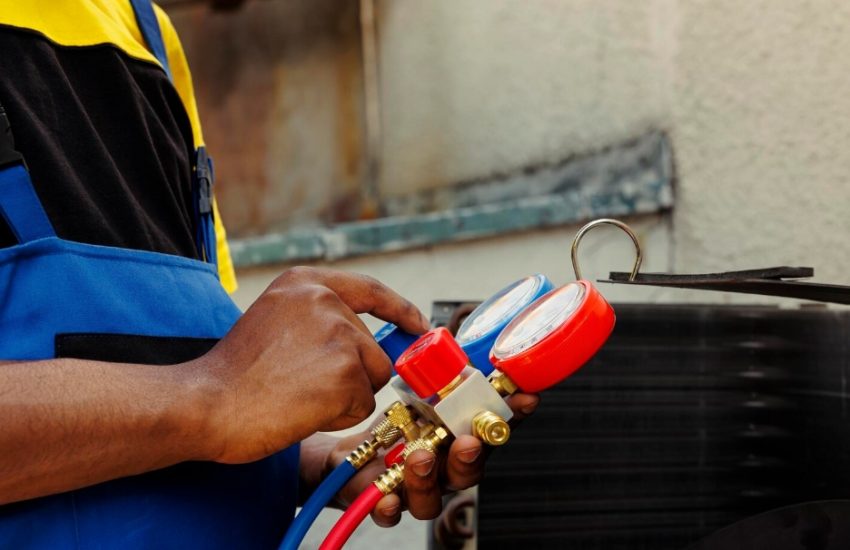
Timely air conditioning repair keeps your system running smoothly and prevents minor issues from turning into major expenses. Skilled technicians can clean coils, check refrigerant levels, and fine-tune components so your system performs like new. Regular upkeep not only restores efficiency but also helps maintain consistent comfort throughout your home.
Plan for Long-Term Efficiency
Energy savings shouldn’t stop with short-term fixes. Planning ahead can help you maintain a more efficient home year after year. Consider investing in programmable thermostats, smart plugs, or even zoning systems that cool and heat specific areas based on use. Over time, these upgrades can pay for themselves through reduced energy bills.
When paired with good habits and regular maintenance, these improvements make your home more sustainable and your comfort more consistent—no matter the season.
Final Thoughts
Saving energy isn’t about living with less comfort—it’s about using resources more wisely. Every improvement, big or small, contributes to lower utility bills and a healthier environment. With routine care, thoughtful upgrades, and professional guidance, you can enjoy an efficient, comfortable home for years to come.
When your system needs expert attention or a quick tune-up, trusted professionals in air conditioning repair can ensure your HVAC system performs at its best while keeping your energy costs in check.