
 Posted by
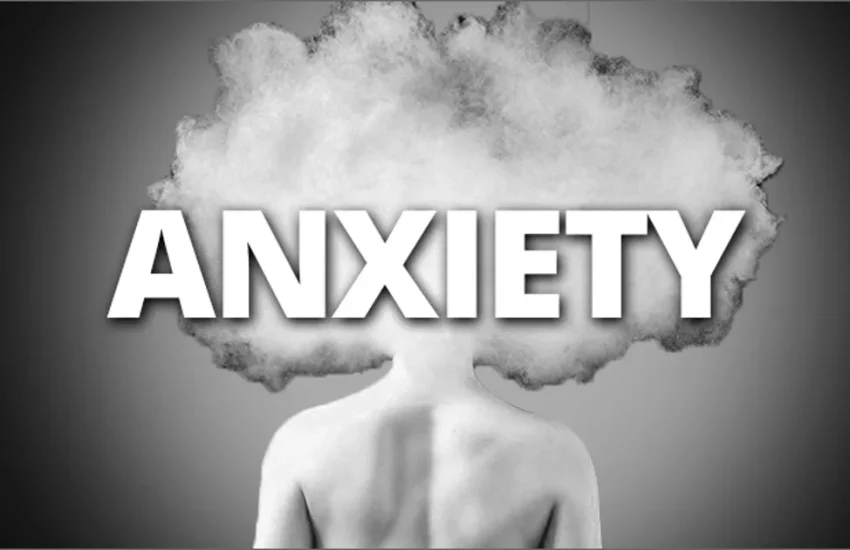
 The brain’s main function is to protect people. It sends warning messages to the body when it notices danger. This is impressive when actual danger exists. However, there are times when the brain overthinks things that are not dangerous.
You can imagine anxiety as a smoke alarm that rings when you have burnt toast. It is the alarm that works, but it is blind to see the difference between a real fire and a burnt bread slice. The brain’s working system is similar. It tries to protect you, but sometimes it cannot distinguish between what is actually dangerous and what is not.
The good news is that you can learn to manage your anxiety. However, it is important to note that these are not quick-fix solutions that help instantaneously. These are the exercises that require practice and patience (for example, like learning to ride a bicycle). Different techniques may be good for different people. The approach to it that is feeling better needs time, but it is not too difficult.
Additionally, it is important to keep in mind that often, the cause of anxiety needs to be addressed. Many times, nevertheless, various factors (e.g., genetic, biological, environmental, and psychological factors) cause or worsen anxiety. In the case where the root cause of anxiety is not addressed promptly and appropriately, it can be a hindrance to one’s mental and physical health. Anxiety is, in one word, a silent killer.
Therefore, if anxiety persists for more than 2 weeks, it is recommended to seek professional help for long-term healing and mental health. When neurological symptoms are accompanied by psychiatric symptoms (e.g., new depression or anxiety after a seizure, or a personality disorder), it is best to consult a neuropsychiatrist for a careful evaluation and appropriate treatment plan.
Table of Contents
Coping skills for stress and anxiety
The following coping skills for anxiety are as follows:
Calming breathing:
You often breathe quickly when you are anxious, which then makes you feel horrible. This is where the skill tells your body you are in a safe condition through slow breathing.
Try this when you feel stressed:
- Get a seat and place one of your hands on your chest and the other on your abdomen
- Breathe in slowly through your nose for four counts
- Hold your breath for four counts
- Breathe out slowly through your mouth for four counts
- Repeat this five or ten times
Practicing breathing techniques can help lower your heart rate. Additionally, your thoughts about fear are sidelined, and you focus only on it. Try this technique routinely at home, at work, or even in your vehicle.
Using your five senses:
When you are anxious, your mind starts to picture future disturbing events. An effective way to reduce anxiety is to focus on the present moment. You need to engage your sensory organs to perform this task.
Thus, try this simple exercise:
- Look around and name five things you can see
- Notice four things you can touch, like your chair or your clothes
- Look out for three different sounds in your surroundings
- Organize two different good or bad odors
- Switch the light on and off in a dark room to feel the darkness.
The exercise helps translate your thoughts from the future sense, where they can be quite negative, into the present sense, in which you are safe.
Moving your body:
Anxiety creates excess energy in your body. Moving your body is a great way to use up this energy in a healthy way. You don’t have to undergo an intense workout. Simple body movements are enough.
Moves that help ease anxiety include:
- Strolling around the neighborhood for just a short time
- Stretching arms and legs
- Roll your shoulders up and down
- Shaking your hands and feet gently
- Swaying to the rhythm of your favorite song
In matters like walking, natural settings near your house are very efficient. Observing nature, for example, looking at trees or the sky, offers many people a way to calm down or feel happier. The natural light and fresh air help improve your mood, too.
Relaxing your muscles:
One of the physical symptoms of anxiety and stress is tense and tight muscles. The skill of relaxing the muscles can have a calming effect on your whole body.
One of the easiest ways to relax all your muscles:
- Start with your feet.
- Contract the muscles in your feet for about a five-count, then after that begin releasing the tension while counting to ten very slowly.
You will experience the change when the tension is released, and you may feel your feet loosen. Move on to your calves, your thighs, and so on up your body. Many people have found this helps them to sleep as well.
Finding healthy distractions:
When anxiety acts up, practice distraction, not sidestepping issues. Try taking a moment to breathe before you come back to them with clearer thoughts.
Healthy ways to distract include:
- Having a talk with your best friend or family member over the phone
- Listening to music you love
- Drawing or coloring a picture
- Reading a book that you like
- Playing with a pet
- Watching a video that makes you laugh
- Engaging in some other relaxing activity, such as working on a puzzle
If it helps, make a list of the activities that you enjoy and keep it on your phone. When you are anxious, pick from them instead of trying to list or think of any, and the tension is overwhelming you.
Talking to yourself with kindness:
Your inner conversations significantly count in your overall mental and emotional health. Usually, when people are stressed, they have distressed thoughts like ‘Something terrifying is going to happen’ or ‘I can’t handle this’. These thoughts are anxiety-nourishing ones.
In response, you could say to yourself in a friendly, comforting way some of the following phrases:
- This thought will go away
- I am safe, I am sure I am
- Even though it seems impossible, I have successfully come through situations like this before
- I can handle it little by little
You may be a little hesitant to speak to oneself in this way at first. However, with consistent practice, it will improve. Over time, you will see great results, as this is one of the best ways to practice self-love.
Using temperature to calm down:
Your heart beating together with fast breathing is yet another sign that anxiety has taken over. If this happens, try the following:
- Splashing cold water on your face
- Put the ice cubes in a cup and hold on to it with your hands
- Take a cool shower
- Step outside and stay in the cold air
- Put a cold washcloth on your neck
This method works best with constant practice. Try to make it a part of your daily routine to get the best effects.
Simple humming and singing:
Humming a tune, singing, and even laughing can trigger the “rest and digest” response. The comforting effect results from stimulation of the vagus nerve. The vagus nerve is a long nerve that extends all the way up to your brain and integrates your brain with your body’s stress responses.
You don’t have to be a brilliant singer. The moderate art of humming your favorite tune, plus pretending you are on stage while taking a shower and making funny noises, is far more effective at calming you down here. This is not only a very effective technique but also highly rewarding for many people.
Writing down your thoughts:
Oftentimes, you may face very anxious thoughts that keep circulating in your mind like a broken record. Try writing the words on paper to calm your thoughts. Writing does not have to be perfect or accurate because of its grammar.
Taking care of your daily needs:
Doing some basic daily practices can help you avoid getting overwhelmed with anxiety. These are your mental health foundation blocks:
- Get enough sleep every day/night.
- Eat regular meals
- Go outside (preferably in nature) for a while
- Spending quality time with those around you can help these relationships
- Doing something for yourself, even something small that you enjoy
- Having some silence, at least for a while each day, can be a source of peace of mind for some.
When to ask for help?
Anxiety attacks are very strong and can interfere with everyday life, so it is important to consult a professional anxiety doctor when:
- Anxiety steals you of the ability to do daily activities
- You start avoiding places or people due to anxiety
- Anxiety is the reason your work or your personal relationships are impaired
- For the last few weeks, you have felt anxious every day or most days
- Trying out different coping skills doesn’t solve the problem
- Most of the time, you are devastated by hopelessness
You need to remember that seeking help or therapy is a smart thing to do, not an act of timidity. It also does not mean you have no willpower. Rather, it signals to fix for self-care.
Mental health professionals, such as board-certified psychiatrists, have extensive knowledge of how anxiety impacts the mind and guide you on how to change your emotionally distressing feelings, including anxiety, by addressing the underlying causes of anxiety to achieve long-term well-being. Children have different physiologies, and their brains are still developing. Therefore, a child psychiatrist is the best option for them to obtain comprehensive care.
The Takeaway
Anxiety is a debilitating problem that so many people deal with every day in their lives. You are not alone in this journey, nor are you the only one with the issue. Anxiety is treatable, and the anxiety treatment plan, including coping skills methods, can help you feel calm. Now, in the digital world, platforms like GABA Telepsychiatry make it easy to access expert help from board-certified online psychiatrists without the need to travel.
Note that when applying coping skills, first start with small steps. Decide on the one or two techniques you find most helpful, and start practicing them when you feel calm, so that when anxiety strikes, they will be much easier to use. Note that it’s all about being patient with oneself as you develop these new skills.
Always keep in mind that a bad day does not mean you are not making progress. Healing is a continuous process with its ups and downs. Every time you use a coping tool, every time you are compassionate toward yourself, every time you ask others for help when necessary, you are making strides.